

In a rush? Here’s a quick summary.
Selecting the right composite decking colors requires balancing your home’s exterior, local climate, and preferred maintenance level. Dark colors absorb more heat, while lighter shades show dirt less; this is a fundamental trade-off to consider before you move forward.
Selecting the correct composite decking colors is the single most important decision for your new outdoor living space. The color you select dictates how your deck interacts with the surrounding landscape and your home’s exterior palette. Composite materials behave differently from wood under sun and moisture, which is why the science behind pigment retention and heat reflection matters. Your deck is a permanent structure, and the color choice locks in both performance and aesthetics for decades.
Popular Composite Decking Color Categories
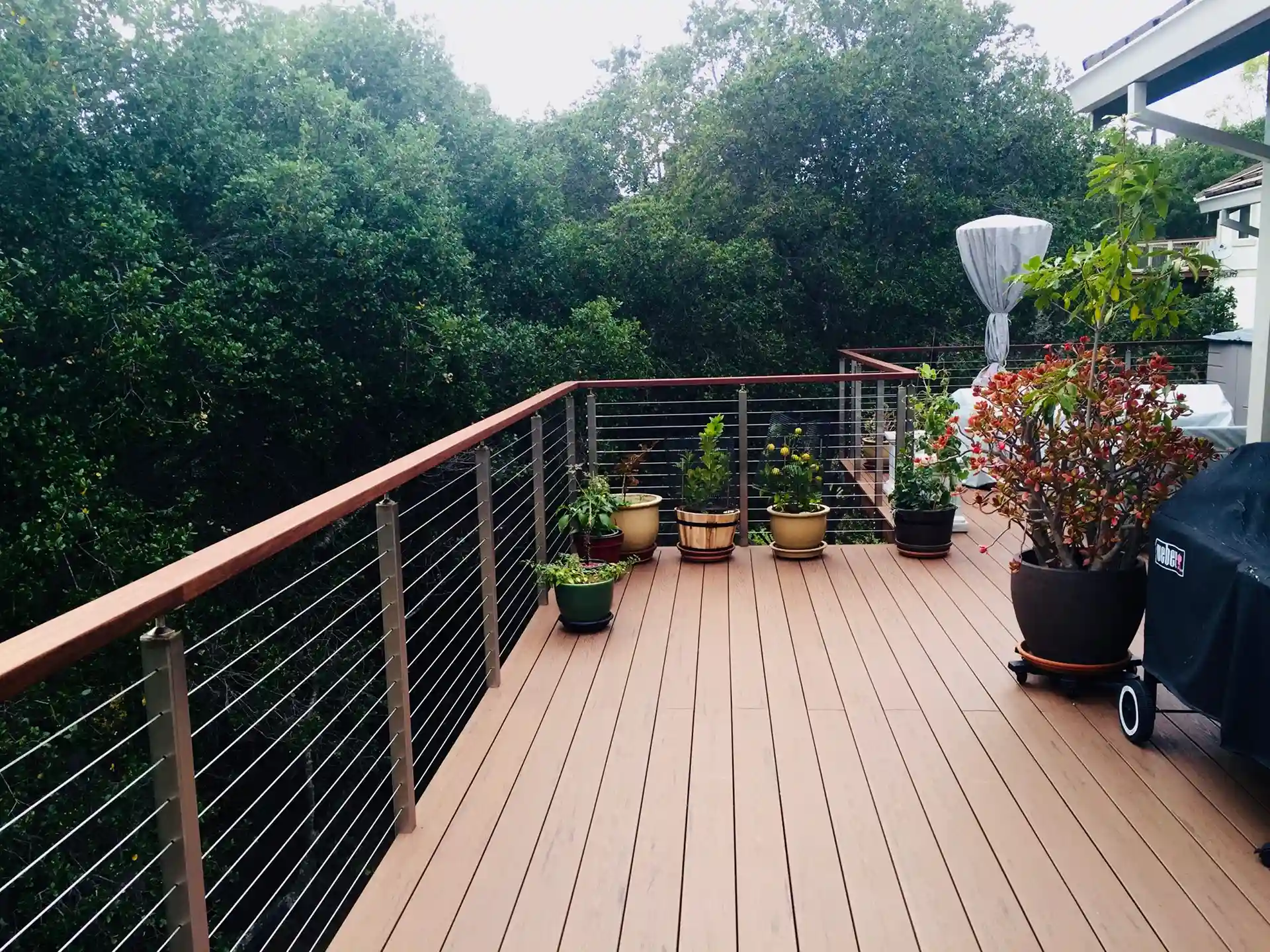
Homeowners have access to a wide spectrum of composite decking colors across all major brands. The main categories simplify the initial selection process and provide a foundation for your design. Narrow these down based on sun exposure and existing home colors.
Earthy Tones
Earthy tones include various shades of brown, tan, and copper. These colors mimic the appearance of traditional stained wood, offering a timeless, organic look that grounds the space. They provide contrast to light-colored homes and blend naturally with green landscapes, while mid-range browns moderate surface heat better than deep espresso shades.
Gray Shades
Gray shades are a contemporary favorite, ranging from light silver to deep charcoal. A gray color offers a modern, sophisticated backdrop for outdoor furniture and decor. Lighter grays absorb less heat than darker counterparts, making them practical for exposed decks without sacrificing style.
Reds and Mahogany
Reds and mahogany tones reproduce the classic, rich look of exotic hardwoods. These colors introduce striking warmth and character to a deck installation. Premium capstock technology ensures pigment stability, preventing the chalky fade common in lower-grade boards after 3–5 years of UV exposure.
Blues and Greens
Blues and greens are less common but offer a distinct, coastal, or resort-like feel. These unique colors appear in premium product lines or as accent boards. Review large physical samples in morning and afternoon light, as undertones shift dramatically and must align precisely with siding or stone.
Blondes and Whites
Blonde and white colors are the lightest options available, creating an airy and expansive feel for smaller deck spaces. The major advantage of lighter colors is their minimal heat retention, making them ideal for decks that experience intense, direct sun. Variegated patterns in light tones conceal pollen and leaf stains more effectively than pure solids.
Factors to Consider When Choosing a Decking Color

Choosing your composite decking colors should not be based solely on appearance; it requires a thoughtful consideration of both environmental and structural factors. Selecting the right color for your deck is a combination of science and design.
Home Exterior Colors
The new deck color must complement your home’s existing siding, trim, and roofing colors. A contrasting color will make the deck stand out, while a harmonizing color will make the deck feel like a direct extension of the house. Hold 12×12-inch samples against your exterior at different times of day to confirm undertone harmony before ordering.
Climate Considerations
Darker composite colors absorb and retain significantly more heat than lighter colors. This heat retention can make the deck surface uncomfortable to walk on barefoot during peak summer days. In warm climates, mid-range or lighter colors reduce surface temperature by 15-30°F. UV resistance depends on capstock quality. Testing shows premium lines fade less.
Maintenance Levels
A lighter composite deck color tends to show less dust, pollen, and hard water spots than very dark colors. Very dark colors highlight footprints and light-colored debris. Variegated grain patterns camouflage everyday dirt and minor marks better than solid, uniform colors, reducing cleaning frequency from quarterly to biannual.
Aesthetic Preferences
The final choice must align with the homeowner’s personal style and the intended use of the deck space. Some prefer a rustic, cabin-like look, while others want a clean, modern style. View installed decks in person or use brand visualizers to confirm scale and pattern repetition across large areas.
Top Composite Decking Brands and Their Color Offerings

The quality of the material is inseparable from the color’s longevity and performance. The top composite decking brands invest heavily in capstock technology to create vibrant, durable colors that resist fading.
Trex
Trex offers three main tiers of decking, each with a distinct color palette and specific technology.
- Trex Transcend Lineage Colors: This premium line includes heat-mitigating technology, crucial for sunny decks. Current colors include Biscayne (honey oak with subtle streaking) and Carmel (warm caramel brown with IR-reflective pigments).
- Trex Select Colors: This line provides a focused selection of mid-range, traditional colors. Malted Barley, Millstone, and Whiskey Barrel (new in 2025) feature SunComfortable™ technology for cooler surfaces.
- Trex Enhance Colors: This offers a high-value range with realistic wood grain patterns in shades like Clam Shell (soft coastal gray) and Beach Dune (sun-bleached tan).
TimberTech
TimberTech focuses on highly realistic, variegated wood looks and offers two major material categories, Capped Polymer (PVC) and Capped Composite.
- TimberTech AZEK Vintage Collection Colors: This premium, capped polymer line features a sophisticated, wire-brushed finish. Popular multi-chromatic colors include Weathered Teak (sun-faded cedar), Dark Hickory (smoky walnut), and Coastline (stormy gray).
- TimberTech AZEK Harvest Collection Colors: This line offers a solid color palette with a refined grain, suitable for clients preferring a consistent shade. Brownstone (rich mocha) and Slate Gray (cool charcoal) deliver reliable depth.
- TimberTech PRO Reserve Collection: This capped composite tier offers rich, heavy-streaked colors like Antique Leather (weathered saddle) and Dark Roast (espresso with red undertones), giving a high-end exotic wood appearance.
Fiberon
Fiberon provides a balanced selection of solid and multi-chromatic colors across different price points, all featuring PermaTech capstock for protection.
- Fiberon Sanctuary Colors: This mid-tier line is popular for its multi-tonal options and rustic embossing. Colors like Moringa (deep tropical brown) and Earl Grey (sophisticated cool gray) offer stable variegation.
- Fiberon Concordia Colors: This premium, four-sided capped line features complex color blending with shades such as Ipe (classic exotic red-brown) and Seaside Mist (soft coastal gray).
- Fiberon Good Life Colors: This value-focused line offers both solid (Weekender) and multi-tonal (Escapes) options, with colors like Bungalow (warm rustic brown) and Beach House (light driftwood) providing reliable performance.
MoistureShield
MoistureShield stands out with its Solid Core technology, which prevents warping and rot even when submerged. Select premium lines feature CoolDeck technology, reducing surface heat by up to 35 percent in direct sun.
- Vision Collection (CoolDeck Enabled): This premium composite line uses CoolDeck technology, ideal for high-exposure areas. Top multi-tonal colors include Cathedral Stone (warm sandstone with golden veining) and Cold Brew (rich espresso with subtle mocha streaks).
- Meridian Collection (TruTexture Surface): This mid-tier composite features a low-gloss, refined wood grain. Popular colors offering subtle variegation are Shoreside (sun-washed teak) and Driftwood (coastal gray-brown with silvered patina).
- Elevate Collection (Value Composite): This line provides budget-friendly durability with a clean aesthetic. It is available in solid or lightly streaked colors such as Alpine Gray (crisp, cool neutral) and Canoe (warm, medium brown).
Design Tips for Incorporating Color into Your Deck

The final look of your deck is enhanced significantly by how you apply the composite decking colors, not just the color itself. Simple design elements turn a basic deck into a custom-built outdoor space.
Mixing Colors For A Custom Look
Using two different, complementary colors creates definition and visual interest. A lighter color for the main deck field contrasted with a darker color for the border creates a sense of luxury. This approach allows you to highlight the perimeter of your deck and visually separate functional zones.
Using Borders and Picture Framing for Added Flair
Picture framing is the practice of running a continuous border of decking around the main field of the deck. A contrasting color border provides a finished, custom-furniture look. This border also hides the ends of the deck boards running in the main field, giving the deck a clean edge.
Combining Colors (and Patterns) with Deck Inlays
A deck inlay is an intentional pattern change within the main deck field. This is often accomplished by using a second, contrasting color to create a compass rose, a geometric pattern, or a border around an outdoor kitchen area. This technique requires precise cutting and spacing for seamless alignment.
Cost Considerations
The price of composite decking colors is often tied to the quality and technology of the product line. Pricing typically falls into three ranges: Good, Better, and Best.
- Good: Entry-level composites with solid colors and less complex capstock, costing $3.50–$4.50 per square foot installed.
- Better: Mid-range capped composites with multi-tonal colors and enhanced scratch resistance, ranging $4.50–$6.00 per square foot.
- Best: Premium capped polymers (PVC) or high-end composites with sophisticated color variegation, heat-mitigating technology, and prices from $6.00–$8.50 per square foot.
Investing in a higher-quality material with superior color technology provides long-term value. Premium lines include 25–50 year fade and stain warranties, protecting appearance and resale impact.
Maintenance and Longevity of Decking Colors
Proper upkeep is necessary to maintain the vibrant appearance of any composite decking colors over time. While composite decking is low-maintenance, it is not no-maintenance.
How to Maintain Color Vibrancy Over Time
Regular cleaning prevents mold, mildew, and dirt buildup that can dull the color surface. Homeowners should use a mild soap and a soft-bristle brush to clean the surface twice a year. Always clear leaves and debris promptly, as decaying organic matter can trap moisture and cause staining.
Protective Coatings and Cleaning Tips
Most major composite brands do not require or recommend traditional sealants or protective coatings, as the factory-applied capstock is engineered for protection. Using certain oil-based products can void the material warranty. For tough stains, check the specific manufacturer’s cleaning guide, as certain approved cleaners work best for oil, rust, or food stains.
Professional Deck Installation Services in the San Francisco Bay Area
Choosing the perfect color is only the first step; the final result depends entirely on the quality of the installation. Proper framing, ventilation, and fastener spacing prevent buckling and ensure color consistency across the surface. Local building codes often require specific span ratings and fire treatments—verify compliance before construction begins.
Schedule a Consultation for Your Composite Decking Project
Planning your new composite deck starts with an honest discussion about material performance, long-term costs, and your preferred composite decking colors. Review physical samples under your actual lighting conditions and request heat readings on dark vs. light boards. A detailed scope and warranty review upfront prevents surprises later. Schedule a consultation today to receive expert guidance on your composite decking project and ensure you make the best choices for your home.
Composite Decking Colors FAQs
What are the most popular composite decking colors?
The most popular colors are typically browns and grays, which mimic natural wood and complement most home exteriors. Earthy tones like light brown and mid-range gray offer a classic, versatile look that has proven reliable over time. Darker, richer colors like mahogany and charcoal are also popular but require consideration for heat absorption in sunny climates.
How do I choose the right composite decking color for my home?
To choose the right color, you must first compare samples directly against your home’s siding and trim. Consider your climate; lighter colors are a better choice in direct sun because they absorb less heat. Test variegated vs. solid patterns for dirt concealment in your specific environment.
Are there any composite decking brands with unique color offerings?
Yes, premium brands like TimberTech and Trex offer lines with highly unique and variegated color patterns that closely resemble exotic hardwoods. These unique offerings often feature advanced capstock technology that includes multiple tones within a single board. MoistureShield provides a range of colors designed for high-moisture applications.
Can I mix composite decking colors for a custom look?
Mixing colors is a common technique to create a custom, high-end deck appearance. You can use a contrasting color to define a border, create a picture frame around the perimeter, or use an inlay pattern in the main deck field. This approach requires careful planning to ensure the colors and lines align perfectly during the installation process.
How does color affect the maintenance of composite decking?
Color affects maintenance because lighter colors tend to hide dirt, pollen, and hard water spots better than very dark colors. Very dark colors, while visually striking, can highlight footprints and any light-colored surface debris. Choosing a color with a variegated grain pattern will naturally camouflage everyday dust and minor surface marks.
Does the color of composite decking affect its cost?
The color itself does not directly affect the cost, but the complexity of the color technology does. Colors in a manufacturer’s premium line—which offer superior fade protection, heat mitigation, and more realistic streaking—will be more expensive than colors in the entry-level line. The price difference reflects the quality and engineering of the capstock that protects the color pigment.
Can composite decking colors fade over time?
While superior to wood, composite decking colors can experience some fading, particularly less expensive products without advanced capstock. Quality brands offer warranties specifically against significant fading, which is a key indicator of material quality. Products with high-performance capstock protect the color pigment from UV damage.
